
Post-Construction Final Clean
Final Clean After Construction
The photographer angles a light across the new kitchen, and the renovation changes in front of you.
A pale film appears along the countertop edge. Dust softens the top line of a cabinet door, and a faint streak crosses the backsplash that looked clear under the ceiling lights.
Months of decisions are already in the room: the finish, the hardware, the layout, the workmanship. Yet the last construction layer is still deciding what the camera, owner, or family will notice first.
The work is complete. The space has not fully revealed it yet.
Post-Construction Final Clean removes agreed fine dust and cleanable trade residue from completed areas so the finished project can be seen, used, and handed over on its own terms.
Final Begins When Dusty Work Ends
A final construction clean should start from a ready site. Major cutting, sanding, drywall work, punch repairs that generate dust, and bulk-debris removal need to be complete or deliberately separated into phases before detailed cleaning begins. Running water, electricity, safe access, clear work areas, and a contact who can answer surface or scope questions also affect whether the team can complete the agreed pass instead of waiting around a locked room or an unfinished installation.
That timing protects the schedule. Starting too early sends the cleaning team back across finished zones, creates avoidable change orders, and can leave the project manager choosing between a delayed handoff and a surface that was cleaned before the source stopped.
At home, the same timing ends a long stretch of living around contractors. You can open the new cabinets, walk barefoot across the floor, or place a towel in the bathroom without turning each small action into another inspection of the remodel.
The Site Condition Chooses the Phase
Post-construction final cleaning is detailed work for a completed or nearly completed property where installed surfaces are accessible and the remaining challenge is fine particulate, a light film of fine dust, fingerprints, and removable residue covered by the checklist.
Rough Clean serves an earlier working phase by reducing agreed loose debris and heavier dust load. Final Clean addresses completed surfaces in greater detail. Touch-Up is a later, narrower pass for light settling or marks created after the main Final Clean.
A residential Deep Clean solves a different problem: lived-in accumulation rather than recent construction particulate and trade residue. Heavy hauling, hazardous material, duct cleaning, repair, remediation, and restoration require their own confirmed scope or specialist.
Finished Surfaces Need Their Details Back
The difference becomes physical the first time the space is used. A hand closes the cabinet without collecting white powder, daylight reaches the backsplash without finding a field of residue, and the floor shows its finish instead of a trail left by the last crew.
Fine dust settles beyond open floor area. It collects on trim, ledges, frames, hardware, included empty storage, exterior fixtures, and upper edges that disappear during a quick walkthrough. Air movement and foot traffic can carry it back across areas that appeared finished. A floor-only estimate misses how many hinges, shelves, frames, transitions, and touchpoints can exist inside the same square footage.
Base scope includes a defined amount of empty storage for the selected home size. Window and sliding-door glass, blinds, full walls and ceilings, elevated access, and appliance interiors outside the installed microwave are outside the base scope and require a separately confirmed option.
Mess Fixers follows the current Final Clean checklist through agreed rooms and details. The work may include dry particulate removal, suitable wet detailing, care for finished floors, and attention to the kitchen, bathroom, storage, entry, fixtures, and other accessible surfaces defined by the service scope. The checklist keeps the team moving systematically while allowing a residue or fragile finish to receive the slower decision it requires.
When the fine-dust film stops competing for attention, the craftsmanship becomes the part of the room that people remember.
Residue and Material Must Be Read Together
A white mark can be loose drywall dust, grout haze, paint, adhesive, mineral residue, or a changed finish. Color alone does not identify it. The material beneath it (glass, coated metal, acrylic, painted millwork, stone, tile, or engineered flooring) changes the safe response. Loose material may release with controlled vacuuming; a bonded film may need chemistry and dwell time; etching or a scratch cannot be dissolved back into an intact finish.
Water applied before dry collection can spread gypsum dust into a stubborn slurry. Acidic chemistry can etch calcite-based stone, while abrasive pressure can alter coated glass, polished metal, acrylic, or a delicate factory finish. More force is not a reliable substitute for identification.
The team therefore works top to bottom, captures dry material before wet detailing, separates tools by zone, and matches the least aggressive practical method to the residue and surface. Questionable areas can be tested, documented, or stopped before a cleaning decision becomes permanent damage. Floors come last because every higher edge and fixture can release more particulate while the room is being detailed.
This method protects the money already installed in the room and gives the client an honest result instead of a risky promise to remove every mark.
Contractor Cleanup and Final Detail Do Different Jobs
“The contractor already cleaned” is a fair reason to ask what another service adds. A crew may have removed tools, packaging, and obvious debris exactly as their agreement required, while fine dust and presentation-level detail remain outside that handoff.
Mess Fixers defines the next result before repeating work. Site readiness, rooms, assemblies, residue, access, utilities, protected surfaces, add-ons, and the next event shape the scope. The checklist turns the word “clean” into areas that can be reviewed instead of two parties carrying different pictures of finished. If the site changes after assessment (another trade returns, more glass is installed, or hidden adhesive appears), the change is discussed rather than buried inside a vague promise.
For a GC, that clarity reduces another round of micromanagement before the owner walk. For a flipper or designer, it keeps the photographer from becoming the first quality inspector. For a homeowner, it separates the end of construction from the beginning of living there.
Cleaning has a defined edge. Bonded material, scratches, etching, failed coatings, damaged grout, active dust sources, inaccessible areas, and work assigned to add-ons or specialists are disclosed rather than forced into a cosmetic result. The same boundary protects schedule and property: an honest exception can be planned, while damage created by aggressive improvisation becomes a new project problem.
Let the Project Hold the Light
The photographer looks through the frame again. The countertop edge reads as a clean line, the cabinet color holds from top to bottom, and the backsplash no longer asks the lens to choose between the design and the residue.
The homeowner can use the kitchen. The project manager can conduct the agreed walkthrough. The designer can point to the finish itself. Each person receives the same practical change: the last cleaning phase stops obscuring the work that came before it.
A ready site, checklist-driven coverage, dry-first sequence, material-aware decisions, and cross-checking under useful light make that change observable without guaranteeing an inspection or rewriting permanent damage.
Review the complete Final Clean checklist, compare Rough and Touch-Up, and share the site phase, surfaces, residue, access, active work, and deadline when you request your scope.
The light can finally land on the renovation and stay there.
Our Approach
Professional cleaning should feel organized before the first surface is touched. Every Mess Fixers visit follows a visible system: a confirmed arrival window, the right service checklist, a deliberate room-by-room route, methods chosen for the surface, a cross-check before departure, and important home notes kept with the job. The result is less for you to manage, fewer surprises, and a home cared for with intention.
- 1
Your Time Deserves a Real Appointment
You need to know when to arrange access and how the visit fits into your day. We confirm an arrival window with your booking and treat punctuality as part of the service. If a material delay affects that window, we contact you so you can adjust your plans instead of waiting and wondering.
- 2
Cleaning Starts at the Door
Bringing outdoor dirt inside defeats the point of the visit. Shoe covers are part of our standard setup and are used whenever they are appropriate for the property, helping keep what belongs outside from becoming part of the job inside.
- 3
Ready to Work When We Arrive
You should not have to build a cleaning kit before the cleaners arrive. We bring our standard supplies and equipment. The property provides working water, electricity, and air conditioning, and some requested services may also need access to a washer. If you want a specific product, you can provide it or approve us to purchase it; any added cost is discussed first.
- 4
Your Cleaning Does Not Depend on Memory
Good intentions are not a cleaning standard. Every service has its own checklist, and the team opens it for every job, keeping the agreed core work visible from start to finish. Your priorities can direct extra attention within the service without quietly replacing what you booked.
- 5
We Clean It Once, Not Twice
Every room is cleaned from top to bottom, so dust and debris do not fall onto surfaces that were already finished. That simple sequence avoids unnecessary double work and keeps finished areas from needing to be cleaned again.
- 6
Every Part of the Room Has a Place in the Plan
Random movement makes it easier to lose track of what was cleaned and what was not. We follow a consistent clockwise or counterclockwise route around each room, so every section has a clear place in the process and fewer details depend on memory.
- 7
Separate Zones. Separate Cloths.
A cloth used in one type of area should not move freely through the rest of the home. We keep microfiber cloths separated by cleaning zone throughout the visit, so each cloth stays assigned to the work it was meant for.
- 8
Cleaning Should Not Put Your Surfaces at Risk
Stone, wood, glass, metal, and painted finishes can be damaged or dulled by the wrong product or method. We match the approach to the material and its condition. When there is uncertainty, we begin with the gentler safe option instead of gambling with a surface you invested in.
- 9
Dust Should Be Collected, Not Just Moved Around
Removing visible dust is only part of dust control. HEPA-equipped vacuums are part of our setup, helping keep collected dust inside the equipment instead of simply redistributing it. The exact equipment may vary with the service and property.
- 10
Two Professionals. One Coordinated Plan.
You are hiring a cleaning service, not a crew you need to direct room by room. Every visit is staffed by two people who divide the work, stay coordinated, and support each other without turning your home into a rushed race.
- 11
The Job Is Not Finished Until It Is Checked
A second review can catch a detail one person may overlook. Before leaving, each cleaner reviews the other cleaner's completed areas, and the team checks the job together: a real cross-check, not a glance from the doorway.
- 12
You Should Not Have to Explain Your Home Twice
Your routines and priorities should not disappear after one visit. Access details, preferences, and repeat instructions stay with the booking and move into your customer record, where the assigned team can review them before the next visit.
- 13
Your Home. Your Boundaries.
Access to your home is not permission to make personal decisions for you. We handle personal belongings and delicate items carefully and without judgment. If moving, opening, discarding, or using something could cause damage or cross a boundary, we ask first.
- 14
Technology Should Remove Steps, Not Add Them
You should not have to piece your service together across calls, texts, and scattered notes. Your quote, selected service, compatible add-ons, and instructions stay connected through one online process. Notifications keep you informed, and the included photo report documents completed work and visible exceptions. It can be shared with you when requested.
- 15
Missed Work Gets Corrected. Changes Get Approved.
Tell us within 24 hours if work on the agreed checklist was missed. When we confirm a substantial omission, such as a booked room or paid add-on, we arrange a coordinated return to complete that work at no additional cleaning charge. Smaller concerns are reviewed too, without promising a separate trip for every touch-up. If the job needs extra work or a revised price, we explain it and get your approval before proceeding; no silent changes.
What's Included
Kitchen
 Kitchen
- Empty Storage Allowance: Dry extraction and appropriate wet detailing of accessible empty cabinet, drawer, and open-shelf interiors within the allowance for the selected home size. One door, drawer, or open shelf counts as one unit. Kitchen and bathroom storage are counted together. Tell us the total before booking; Mess Fixers applies the included allowance and confirms any paid overage before work. Each extra unit receives one combined dry-capture and surface-appropriate wet-wipe charge.
- Cabinet Fronts, Tops, and Toe Kicks: Detail cleaning of accessible cabinet faces, handles, tops, and toe kicks from dust, fingerprints, and removable light construction residue.
- Countertops and Backsplash: Cleaning accessible completed countertops and backsplash surfaces using a method appropriate to the material.
- Range Hood and Cooktop Exterior: Cleaning the accessible range-hood exterior and controls and the cooktop exterior. Hood underside work, heavy grease, and filter cleaning are separate.
- Appliance Exteriors: Wiping accessible appliance exterior panels, handles, and controls without moving heavy or connected appliances.
- Sink and Fixtures: Cleaning accessible sink surfaces and fixtures from loose dust, fingerprints, water spots, and removable light construction residue.
- Installed Microwave: Inside and Out: Cleaning the accessible interior and exterior of the installed microwave.
- Appliance Interior Boundary: Fridge, freezer, and oven interiors are separate. Inside Dishwasher (Empty) is a separate paid add-on for each empty dishwasher. Heavy or connected appliances are not moved.
Overview
 Overview
- Final Clean is for a completed or nearly completed property after dusty trades have stopped. It covers the agreed accessible rooms and details needed to remove fine construction dust, a light film of fine dust, fingerprints, and removable trade residue. Methods depend on the surface and residue; bonded material, damage, and work outside the agreed scope are identified rather than forced.
General Detail and Finished Surfaces
 General Detail and Finished Surfaces
- Dry-First Detail Pass: Dry collection of loose fine construction dust from agreed reachable surfaces before applicable wet detailing.
- Baseboards: Detail cleaning of accessible baseboards using a method appropriate to their finish and condition.
- Interior Doors and Frames: Removing loose dust and spot-wiping ordinary visible marks from accessible doors, frames, moldings, and upper reachable edges. Full Door Detailing is selected separately per door.
- Windowsills and Interior Frames: Dry extraction and appropriate wiping of accessible sills and interior frame surfaces. Full window cleaning or heavy track work is separate unless specifically selected.
- Open Tracks: Loose Dust Only: Removing loose dust from accessible open tracks without full track detailing. Sliding-door glass, cured cement, stucco, and heavy mechanical track work are separate.
- Registers and Vent Covers: Cleaning accessible exterior surfaces in place. Deeper register detailing is selected separately per unit; grilles are not removed, and opening interiors and ducts are not cleaned.
- Fans and Light Fixtures: Refreshing accessible exterior surfaces in place. Deeper fan or fixture detailing is selected separately per unit; shades, globes, grilles, and components are not removed.
- Blinds Are Separate: Blind cleaning is not included in the base Final Clean and is selected per window when needed.
- Switches, Outlets, and Touchpoints: Cleaning accessible exterior touchpoints from dust and worker marks without electrical work.
- Hard Floors: Dry collection followed by material-appropriate damp floor care for accessible completed hard floors.
- Light Loose Debris: Collecting and bagging agreed light loose debris remaining after bulk-debris removal and placing it in the client's accessible on-site container. Heavy hauling and off-site disposal are not included.
Bathrooms
 Bathrooms
- Empty Vanity Interiors: Dry extraction and appropriate wet detailing of accessible empty vanity interiors, shelves, drawers, and areas under the sink within the same whole-property storage allowance. The selected home size also defines the included bathroom allowance; each full or half bathroom uses one included bathroom unit, and additional bathrooms require separate review.
- Vanity, Counter, and Mirror: Detail cleaning of accessible vanity fronts, counters, mirrors, sinks, and fixtures.
- Toilet: Cleaning accessible exterior toilet surfaces, base areas, and nearby floor seams from construction dust and removable residue.
- Tub and Shower: Detail cleaning of accessible tub, shower-base, and fixture surfaces using a material-appropriate method.
- Shower Tracks: Removing loose dust and ordinary debris from accessible shower-door tracks. Bonded mortar or heavy mechanical removal is separate.
- Light Removable Haze or Residue: Addressing light removable haze or residue only where the material, condition, and agreed scope allow it.
- Drain-Grate Surface Detail: Removing loose dust and fine debris from accessible drain-grate surfaces; drain clearing and plumbing work are not included.
Laundry and Entry
 Laundry and Entry
- Laundry Cabinet Exteriors: Detail cleaning of accessible exterior cabinet surfaces only; laundry cabinet interiors are outside the kitchen-and-bathroom storage allowance.
- Washer and Dryer Exteriors: Wiping accessible exterior surfaces without disconnecting or moving appliances.
- Utility Sink and Fixtures: Cleaning accessible utility-sink surfaces, fixtures, and removable light construction marks.
- Entry Threshold: Dry extraction and material-appropriate cleaning of the accessible entry threshold and transition areas.
- Interior Entry Door: Detail cleaning of the accessible interior entry door, hardware, and reachable moldings.
- Entry Floor: Final dry collection and material-appropriate damp care of the accessible entry floor.
Boundaries
 Boundaries
- Protected Films and Stickers: Factory films, stickers, tape, and protective floor coverings remain separate unless their removal is clearly included in the booked scope.
- Bonded Residue and Damage: Cured paint, adhesive, cement, heavy grout, etched surfaces, scratches, failed coatings, and other damage are assessed separately rather than promised as standard cleaning results.
- Separate Glass, Deeper Units, Broad-Surface, Access, and Specialist Work: All window and sliding-door glass; blind cleaning; deeper fixture, register, fan, and full-door detailing; full wall or ceiling care; elevated access; heavy hauling, hazardous material, repair, restoration, duct cleaning, and movement of heavy or connected equipment are outside this base service.
- Closeout and Photo Report: Reviewing the agreed Final Clean areas, documenting completed work and visible exceptions, and sharing the report through the agreed client workflow without guaranteeing inspection or occupancy.
Why MessFixers
You are not simply hiring someone to clean rooms. You are deciding how your home is protected, what surrounds your family every day, where your time goes, who enters your private space, how the work is verified, and how easy it is to get help when you need it. Mess Fixers was built around those six decisions, not just around the act of cleaning.

Your Home Is an Investment. Cleaning Should Protect It.
Your home is more than the place where you live. It is one of the largest investments you make, and careless cleaning can damage it one surface at a time. The wrong chemical on stone, an abrasive tool on a finish, or one method used everywhere can leave scratches, discoloration, dullness, and unnecessary wear. Mess Fixers matches the product, tool, and method to the material and its condition, choosing a gentler option when the safest approach is uncertain. We are not only cleaning what is visible today. We are caring for the property, materials, and finishes you invested in for the years ahead.

Cleaning Is Part of Caring for Your Family’s Health
Health is shaped not only at the doctor’s office, but also by the environment your family lives in every day. Dust, hair, crumbs, residue, and everyday buildup settle where children play, pets rest, and everyone gathers. Mess Fixers removes the buildup included in your service using a room-by-room checklist, top-to-bottom cleaning, zone-separated microfiber, and HEPA-equipped vacuums where appropriate. The point is not a room that merely looks better for a photo. It is a cleaner home environment around the people and pets you love. Cleaning is not cosmetic maintenance alone. It is one practical investment in your family’s everyday health and well-being.

Your Time Is an Investment. Invest It in What Matters Most.
Your time is not empty space on a calendar. It is the resource you invest in family, work, rest, health, learning, and yourself. Cleaning consumes more than the hours spent doing it: it takes planning, supplies, repeated instructions, time at home, checking rooms, and dealing with whatever was missed. Mess Fixers sends a coordinated two-person team with a service-specific checklist and saved notes about your home and repeat preferences. We arrive knowing the agreed scope and priorities, so you spend less time directing the visit or starting over each time. The return is not only a clean home. It is attention and energy you can invest back into your own life.

Not Just Cleaning: A System You Can Verify
A promise to clean is not a system. A system has a written scope, a service-specific checklist, a clear sequence, a final cross-check, and a defined response when an agreed task was missed. Mess Fixers uses that structure on every visit: the team opens the checklist, works through it, and cross-checks the result before leaving. The included photo report documents completed work and visible exceptions. Report missed work within 24 hours. A confirmed substantial omission, such as a booked room or paid add-on, gets a coordinated return at no additional cleaning charge. Smaller concerns are reviewed without automatically requiring a separate trip for each touch-up. You are not buying vague effort. You are buying a clear standard backed by evidence and accountability.

Privacy Starts With People You Can Trust in Your Home
Privacy is not only about keeping information confidential. It begins with the people who are allowed through your door. A cleaning team works around your family, pets, documents, medications, valuables, habits, and rooms you may not open to anyone else. Mess Fixers knows who it sends into your home and remains accountable for that team. Our people follow clear conduct standards: no judgment, careful handling, and permission before moving, opening, discarding, or using anything that could cross a boundary or cause damage. Access to your home is never treated as permission to do whatever is convenient. Professional cleaning should give you confidence not only in the result, but in the people delivering it.

Technology Should Make Professional Cleaning Easy to Book and Manage
Technology is valuable when it removes steps from your day. You should be able to place an order when you decide you need help, not wait for office hours or begin a chain of calls. With Mess Fixers, you can choose the service and add-ons online, provide instructions, receive notifications, and keep approved details and repeat preferences connected to the visit. The same system carries that information to a professionally equipped team ready to work at your home. This is what technology should do: make professional help easier to access, faster to arrange, and simpler to repeat. The result is not “more software.” It is less time and effort between “I need help” and “it’s handled.”
Compatible Add-Ons

Half Bath (Powder Room)
Add one powder room beyond your included bathroom count. We clean its sink, toilet, mirror, fixtures, contact points, waste bin, and accessible floor.

Full Bath
Add one full bathroom beyond your included count for everyday cleaning of the sink, toilet, tub or shower, mirror, fixtures, cabinet fronts, and floor.

Inside Fridge (Empty)
Add interior cleaning for an empty refrigerator before move-in or after move-out. We clean accessible shelves, bins, walls, and door seals.
Inside Freezer
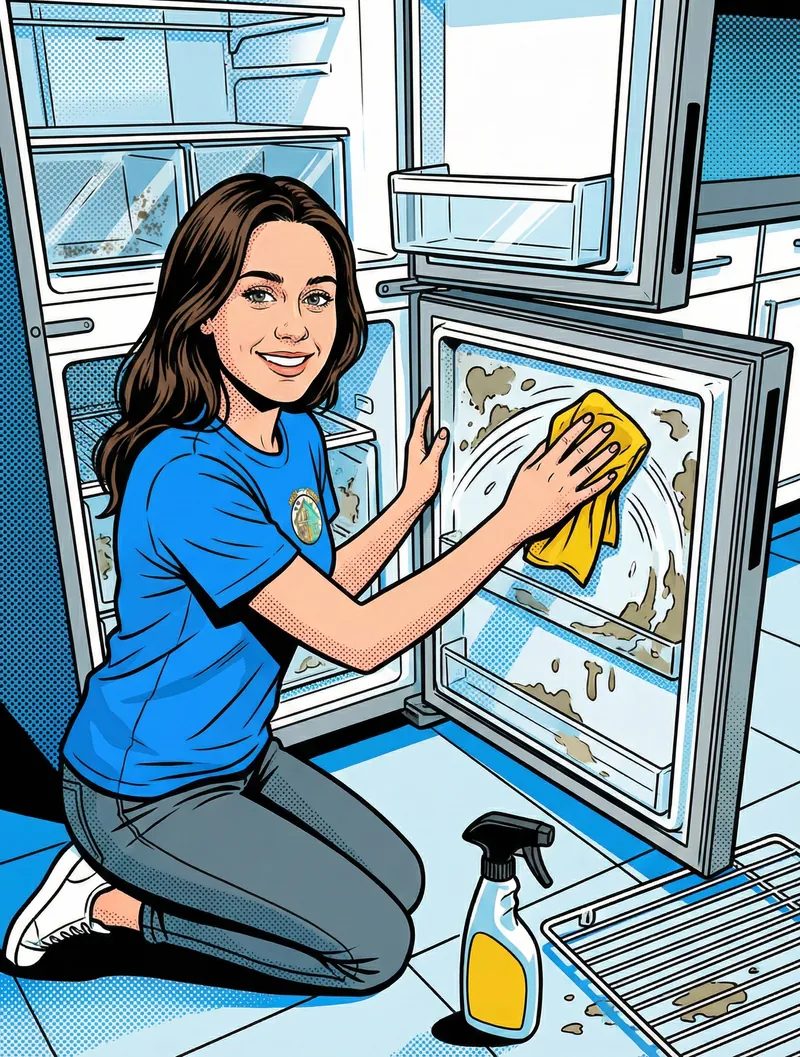
Book a focused freezer interior clean for accessible shelves, bins, walls, and door seals. Tell us about stored food or heavy frost before the visit.
Inside Oven
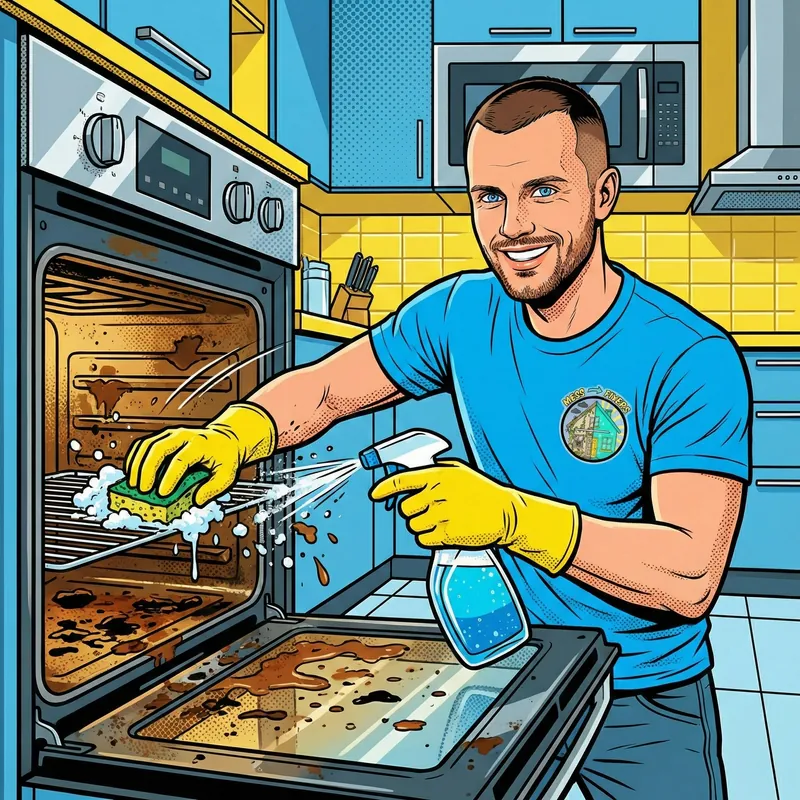
Add focused cleaning for your oven cavity, removable racks, and accessible interior door glass. Give baked-on grease its own detailed treatment.
Inside Dishwasher (Empty)
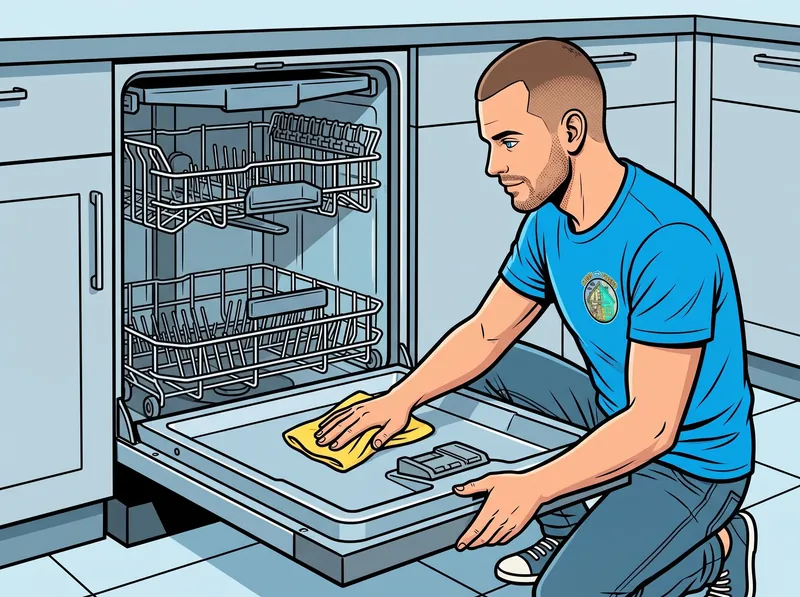
Add accessible interior cleaning for one empty dishwasher: chamber, installed racks, interior door, edges and gasket. No filter removal or appliance repair.
Range Hood Degrease
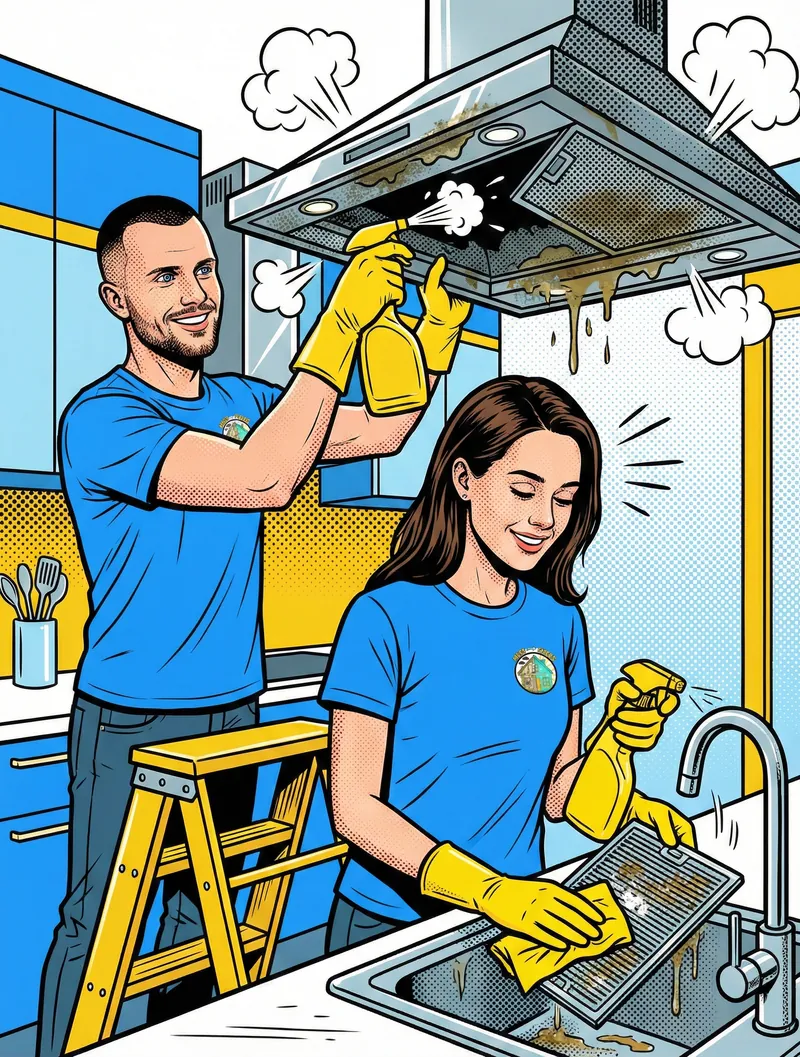
Add focused degreasing for the accessible underside, heavy cooking buildup, and removable washable metal grease filters. Motor and duct work are excluded.

Grout Spot Scrub (additional problem areas)
Add focused grout scrubbing for a separately selected problem area beyond the included Deep clean, with a method suited to the tile and grout.

Sliding Glass Door Cleaning (Per Door)
Wash both sides of the two glass panels in one selected sliding-door assembly. Frames, tracks, screens, hardware, and restoration are separate.
Frequently Asked Questions
How do I know the site is ready for Final Clean?
Final Clean works best after cutting, sanding, drywall work, and bulk-debris removal are finished or clearly separated from the rooms being cleaned. Otherwise, the next trade can put fresh dust right back on completed surfaces. Give us safe access, working utilities, clear work areas, and a heads-up about curing finishes or protected zones. If the project is still in its dusty phase, Rough Clean may be the better first step.
How is Final Clean different from contractor cleanup?
Contractor cleanup usually clears tools, packaging, and larger debris. Fine construction dust can still sit on cabinet edges, soften the look of new floors, and collect in accessible frames, tracks, fixtures, and included empty storage. Final Clean captures loose particles before suitable wet detailing across the agreed finished areas. That is the step that helps the space look ready for its next use, whether that is photography, a walkthrough, furnishing, or move-in.
Why not book a regular Deep Clean after construction?
Residential Deep Clean is built for buildup in a lived-in home. Fresh construction leaves a different mix: fine particulate, trade marks, and new finishes that may be easy to scratch or cloud. Final Clean starts with dry dust capture and then chooses the appropriate method for each agreed surface. Choose the service around what is actually on the property, rather than asking a residential checklist to cover a construction handoff.
Can Final Clean remove every paint speck, sticker, adhesive, or grout mark?
No. We address light, removable marks on included surfaces when the material and condition allow it. A speck of loose residue is different from bonded paint, factory film, adhesive, silicone, cement, stucco, or heavy grout haze; forcing those off can scratch or alter a new finish. Tell us where the marks are before booking so we can identify any separately priced work or a specialist instead of promising a result the surface cannot safely give.
Why can construction dust appear again after cleaning?
Fresh dust can settle when another trade returns, an untreated room is opened, a cavity is disturbed, or air moves particles from an unresolved source. Final Clean covers the agreed condition at the time of the visit; it cannot stop new dust from entering afterward. If you expect a few light marks after the main clean, Post-Construction Touch-Up may fit. If dust is still being produced, deal with that source before scheduling the last pass.
Do you clean inside HVAC ducts?
No. Final Clean covers accessible exterior vent and register surfaces within the booked checklist, not the inside of ducts or the HVAC system. If dust keeps coming from the vents, duct cleaning or system diagnosis needs the appropriate specialist; wiping the cover will not solve an active source.
Are windows, storage interiors, walls, ceilings, and appliance interiors included?
Some details are included and others need a separate selection. The base Final Clean covers accessible interior windowsills and frames, loose dust in open tracks, the installed microwave inside and out, and empty kitchen and bathroom storage up to the allowance for your home size. One door, drawer, or open shelf counts as one storage unit; tell us the total so we can apply the included allowance and confirm any paid overage before work. Window and sliding-door glass, blinds, full wall or ceiling care, elevated access, and fridge, freezer, oven, and empty dishwasher interiors are separate. The selected home size also sets the included bathroom allowance. Check What’s Included for the full list before adding extras.
Does Final Clean guarantee inspection, occupancy, or handoff approval?
No. We complete the agreed cleaning checklist and document the finished work and visible exceptions. That gives you a clearer cleaning handoff before the owner walk, photography, or move-in. Inspectors, buyers, landlords, and authorities make their own approval decisions, and cleaning cannot repair a construction defect or an unfinished trade item.
What affects the Final Clean scope and estimate?
A finished, accessible property with light settling is a different job from rooms where trades are still sanding or adhesive remains on new surfaces. Size, room count, dust load, cabinetry, glass, floors, protected finishes, access, and separately selected details all shape the work. Tell us the project phase and show us any unusual residue before booking so the scope matches the real site. You can review starting prices; any material change to the booked work or price is discussed with you for approval first.
What happens if a surface may be damaged?
We check the material and the mark before choosing a method. Loose drywall dust, bonded paint, and a scratch can look similar at a glance, but the wrong pressure or product can turn a cleaning problem into finish damage. We start with the least aggressive practical method within the agreed scope and can test, document, or stop when removal is unsafe. You get an honest exception to plan around instead of a damaged new surface.
Ready for a Cleaner Space?
Get a custom quote tailored to your home or property. Save your time and nerves.
Book Now