How to Clean Painted Walls Without Damaging the Finish
By Mess Fixers
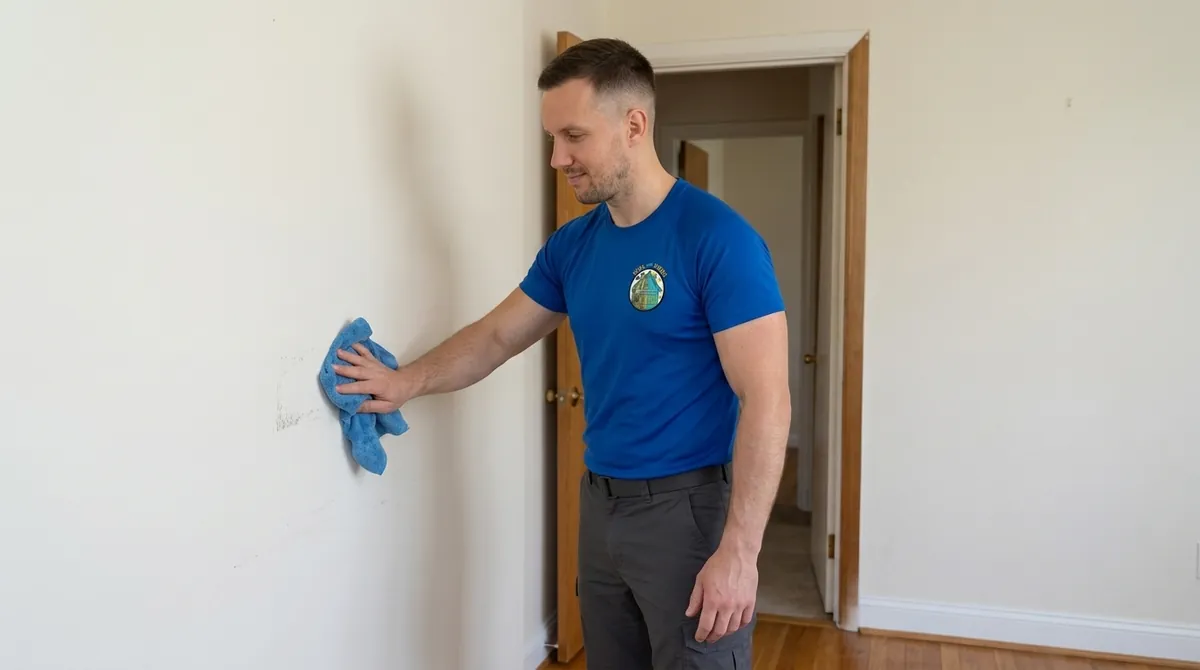
To clean painted walls, check the paint's care instructions, remove loose dust, and test a hidden spot before washing. On a cured, washable finish, start with a soft cloth dampened with warm water. Use a cleaner the paint manufacturer permits only if water does not lift the soil. Keep the cloth wrung out and stop if the color, sheen, or texture changes.
Check the Finish and the Paint's Age
Benjamin Moore's wall-care guide says higher-sheen finishes, such as satin and semi-gloss, tend to tolerate cleaning better than flat, matte, and eggshell finishes. Lower-sheen paint needs less pressure. Sheen alone cannot establish that an unknown coating will tolerate washing, so check the leftover paint can, product information, or the painter's records before treating a broad area.
Fresh paint needs its own timing check. Sherwin-Williams recommends waiting at least two weeks before cleaning freshly painted walls with soap and water in its wall-care guide. Treat that as the manufacturer's published guidance, rather than a cure time for every paint. Follow the cleaning window for the product on your wall; a surface that feels dry may still be too new to wash.
Use this starting decision:
- Loose dust on a stable finish: begin with dry dust removal. You may need no wet cleaning.
- Fingerprints or light film on confirmed washable paint: dry-dust, then test a damp method.
- Flat or delicate paint with unknown care instructions: keep wet cleaning on hold until you confirm what the coating permits.
- Peeling paint or loose texture: stop before brushing or wiping it. Even dry contact can lift unstable material.
Gather Supplies and Clear Reachable Areas
Set out a vacuum with a clean dust-brush attachment, soft non-abrasive cloths or sponges, warm water, and a dry absorbent cloth. If you plan to use an approved cleaner, read its label for painted-surface compatibility and use directions. Keep clean rinse water separate from the washing water.
Move small belongings out of your path and place towels along the baseboard to catch drips. Keep liquids away from switches and outlets. Work only where you can reach with stable footing; do not stretch over furniture to reach a high corner.
1. Remove Loose Dust
Pass the vacuum's dust-brush attachment over stable wall areas with light contact, including reachable corners. Both Sherwin-Williams and Benjamin Moore recommend dust removal before washing. Stop if the attachment catches loose texture or paint.
Finish the dry pass before deciding which marks need moisture. A wall with loose surface dust may need no further treatment.
2. Test the Method and Let the Spot Dry
Choose an inconspicuous area with the same finish as the area you want to clean. Dampen a soft cloth with warm water, wring it out, and make a light pass. Let the spot dry before comparing its color and sheen with the surrounding wall.
A shiny patch, a dull patch, softened paint, or wall color on the cloth means you should stop that method. A wet spot can hide a change in sheen, so inspect the dry result before continuing. Repeat the test if you change the cleaner or technique.
3. Clean with Controlled Moisture
For a passing test on washable paint, work in small sections with a well-wrung cloth or non-abrasive sponge. Use light pressure. Benjamin Moore recommends washing from the bottom upward to limit streaks from cleaning solution running down the wall.
Try water before a cleaner. If the mark remains, use only a product the coating maker permits, following that product's directions. Keep the cloth damp enough to lift soil without leaving runs or soaking the trim below. Stronger pressure can change the finish even when the cleaner itself is compatible.
Benjamin Moore warns against glass cleaner and heavy-duty household spray cleaners on painted walls because strong solvents can damage the finish. Avoid switching to a solvent or abrasive scrubber to chase one stubborn mark.
4. Remove Residue and Dry the Surface
Where the cleaner's instructions call for rinsing, wipe away residue with a separate cloth dampened with clean water. Wring it out before each pass. Use a soft absorbent cloth to remove remaining moisture, then let the wall finish drying before checking the result.
Compare the cleaned area with its surroundings before moving farther across the wall. If your test or working area changes sheen as it dries, stop rather than extending the same method across the room.
Stop Before a Mark Becomes Finish Damage
A remaining mark does not prove that you need a stronger cleaner. Scratches, missing paint, and permanent staining can survive cleaning. Leave a stubborn spot alone if the finish begins to change, or ask the coating maker about the next appropriate step. Cleaning cannot replace missing coating or repair a gouge.
Water-damaged areas, loose paint, and unstable texture need assessment outside this household washing method. Do not scrub them to determine what lies underneath.
Mess Fixers Wall Care Has a Separate Scope
Mess Fixers' Wall Washing covers selected accessible walls with sound, washable finishes. The team removes loose dust first, then uses controlled, lightly damp microfiber cleaning. Confirm the room, wall area, and finish before booking. Ceiling cleaning and permanent-stain repair fall outside that selection.
For loose dust on a finish that should stay dry, Wall HEPA-Vacuuming provides a separate dry option. It does not remove grease film or repair paint, and the team may limit contact on unstable finishes.
Baseboard work has its own boundary. Deep Clean includes accessible baseboard hand-washing where the finish allows; that does not establish a whole-wall washing scope. Identify whether you want wall film, one mark, or the lower trim addressed so the booking matches the work.